
Before you water, check these three things
A drooping leaf is a clue, not an instruction. Here is a calmer way to figure out what your plant needs.
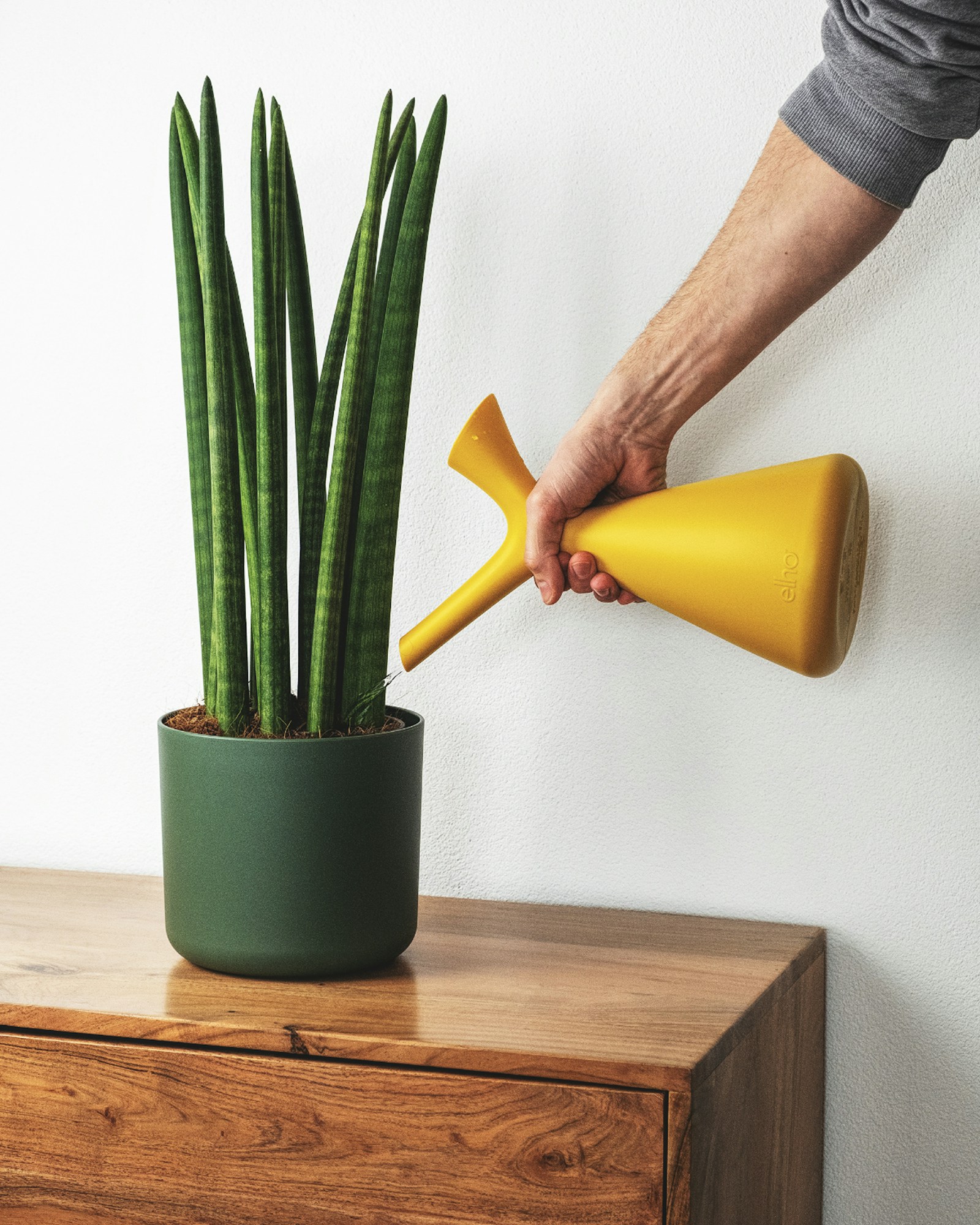
Illustrative stock photograph of watering a houseplant. Photo by feey on Unsplash.
The watering can is very persuasive. A leaf droops, you reach for it, and doing something feels better than standing there. But a thirsty plant and a plant struggling in wet potting mix can both wilt. Before you pour, give yourself a small detective assignment: check the mix, the pot, and the recent routine.
This is not a test of whether you have a green thumb. It is a way to replace guessing with a few useful observations.
1. Check below the surface
Touch the potting mix, rather than judging only its color. The University of Maryland suggests checking roughly two inches down for many houseplants, while noting that plants such as cacti and succulents need a different approach. Match the moisture threshold to your particular plant; there is no universal dry line.
Lift the pot, too, if it is a manageable size. Compare its weight with how it feels after watering and draining. A lighter pot can help confirm that the mix has dried. Pair that clue with the touch test instead of letting either one make the whole decision. Maryland's watering guide explains both checks.
Give your observation an ordinary name: dry below the surface, still damp, or thoroughly wet. You do not need a spreadsheet to make that distinction useful.
2. Look inside the decorative pot
A handsome outer pot can hide a puddle. Lift out the nursery pot and look underneath. Check that its drainage holes are open and that the saucer or outer container is not holding yesterday's runoff.
When the plant actually needs water, water the potting mix thoroughly and let the excess drain. Empty the collected water before returning the plant to its place. A pot with drainage makes this much easier to manage. Penn State's houseplant equipment guide puts these basics ahead of elaborate accessories.
If the mix is wet and the plant is wilting, another drink is not the next diagnostic step. Damaged roots can struggle to supply water even when plenty surrounds them. Maryland's winter troubleshooting guide describes that apparent contradiction. Check drainage and investigate the root system if the problem persists; a wilted leaf alone cannot tell you which problem you have.
3. Check what changed
Did the plant move away from a window? Did the season change? Is the room warmer than before? Write down the change alongside the moisture reading. Your old routine may no longer fit the conditions.
Lower indoor light and slower growth can reduce water demand. Penn State advises adjusting watering to soil moisture when plants return indoors, rather than carrying over their outdoor schedule. Its seasonal care guide is a useful reminder that the plant's setting matters.
Make a recurring reminder to check your plants. Let the check determine whether watering happens. On the next visit, record one short note: moisture, pot weight, and anything newly different. That tiny record makes the next decision less mysterious. Sometimes the most useful thing you can do with a watering can is put it down for another day.