
A pothos cutting and a little curiosity
One node, a clean jar, and a few good observations: a small propagation project with something worth watching.
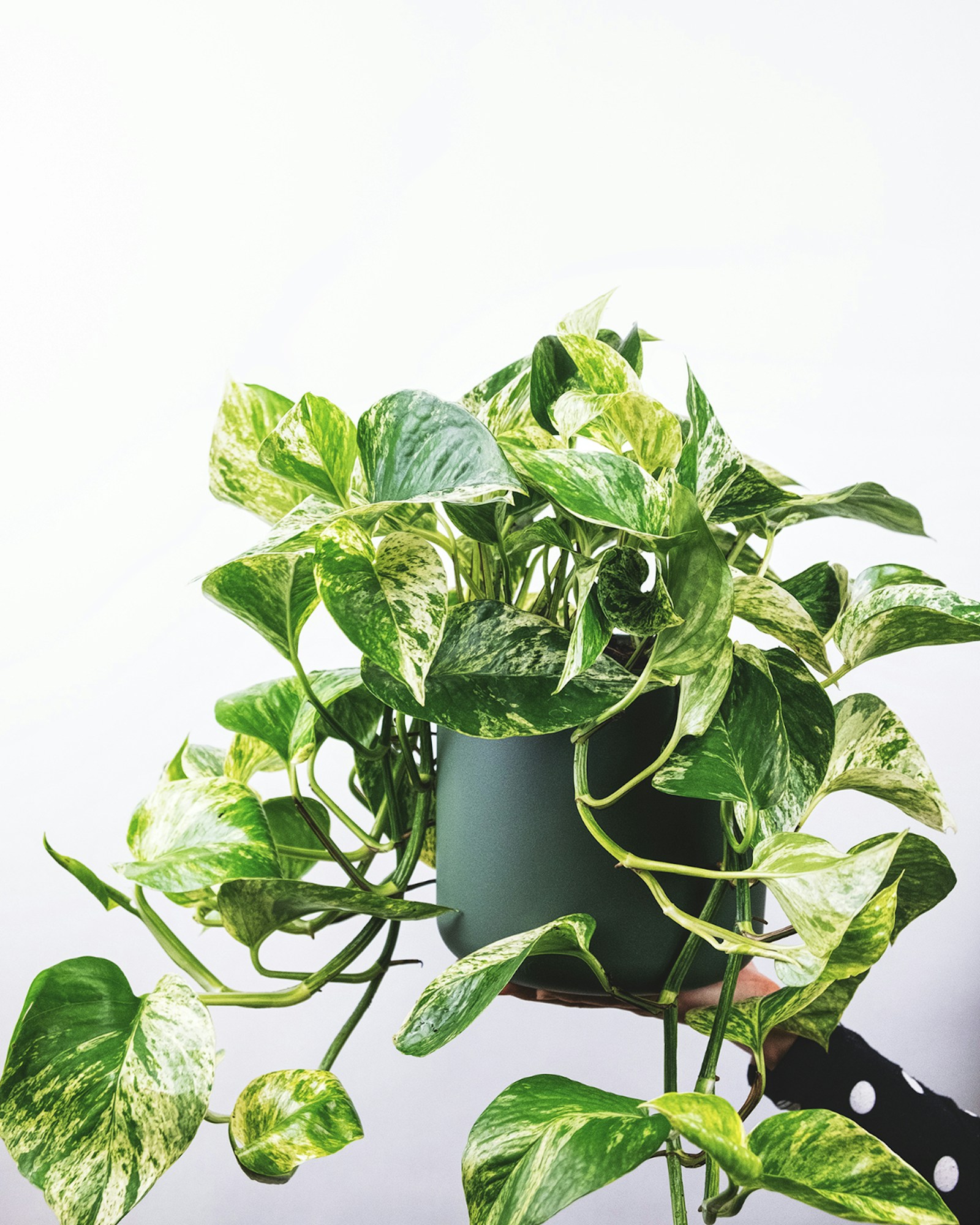
Illustrative stock photograph of a potted pothos. Photo by feey on Unsplash.
A pothos vine looks like a string of leaves until you start looking for its nodes. Then it becomes a collection of possibilities. Those small junctions along the stem are the important part of this project: they belong in your cutting, even when the leaf is stealing all the attention.
Rooting a cutting in water offers a particularly good view of what happens next. Treat it as an observation project, with a new plant as the possible reward.
Find the part that matters
Choose healthy material from a pothos you own or have permission to cut. Look for a node, the place along the vine where a leaf attaches. Keep a section of stem containing at least one node, rather than taking only a leaf and its stalk.
NC State describes single-node cuttings for devil's ivy, another name for pothos: the cutting includes stem tissue and an axillary bud associated with the leaf. That small piece of anatomy matters more than making the cutting look impressive. Its propagation handbook includes diagrams of these different cutting types.
Set up a very small laboratory
Use clean cutting tools and a clean container. Take a short stem cutting with a few leaves, cutting below a node. Remove lower leaves that would otherwise sit underwater. Place the stem in water with a node submerged and the remaining leaves above the waterline.
Illinois Extension identifies pothos as a plant that can root in water and stresses starting with healthy material and clean equipment. Its houseplant propagation guide also describes rooting in a suitable growing medium if you prefer that route.
Set the jar in bright, indirect light. Give it a label with the date and plant name. A reused food jar and a scrap of paper are perfectly respectable laboratory equipment for this assignment.
Watch without declaring a race
Check the water level regularly so the developing roots stay submerged. Iowa State recommends replacing water once or twice a week when rooting houseplant cuttings. Refresh it sooner if it becomes cloudy, as Illinois Extension advises. Keep leaves out of the water when you reset the cutting.
Record what you can actually see: no visible roots, a small root beginning, longer roots, a new leaf. An occasional photograph is more useful than trying to remember whether yesterday's root was shorter. There is no need to promise yourself a finished plant by next Friday.
If you try several cuttings, label them separately. Differences between two jars are interesting observations, but a handful of cuttings does not establish a universal best method. Curiosity works beautifully without a dramatic conclusion.
Plan the move into a pot
Iowa State suggests transplanting water-rooted cuttings when their roots are about an inch long. Prepare a small pot with drainage and suitable houseplant potting mix, position the roots gently, and water the mix so it settles around them.
Expect a transition. Roots formed in water are not perfectly adapted to potting mix, and a cutting may show stress after the move. Keep conditions steady and monitor moisture carefully. The Iowa State stem-cutting guide explains both the transfer and its possible setbacks.
Keep the label. Add the potting date beneath the cutting date and leave space for another note. You have made a record of a plant beginning, including whatever went slowly or unexpectedly. That is a satisfying little thing to keep beside a jar.